

What could affect a deep repository?
The design needs to last for a very long time, so it is important to consider both the conditions today and how the geology might change in the future.
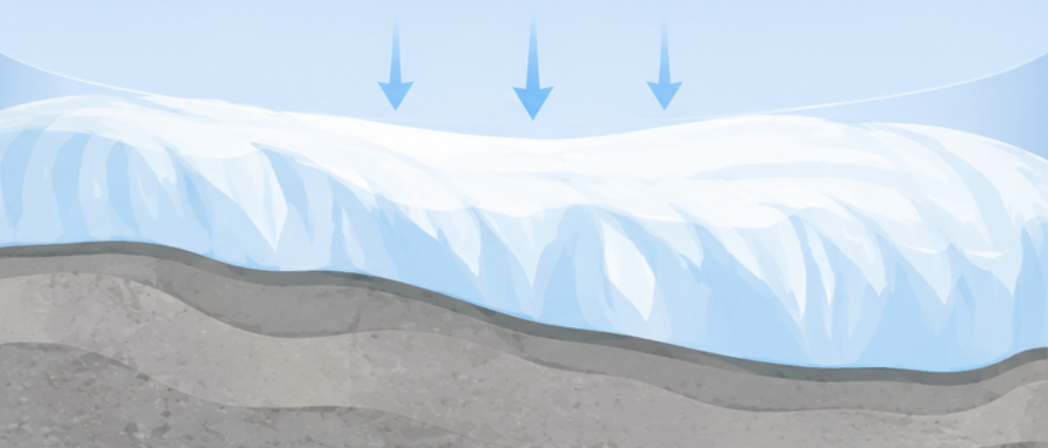
Glaciation & Climate Change
Future ice ages could affect the stability of an underground repository. Large ice sheets could increase pressure on groundwater, while melting ice could alter groundwater flow. These changes could also put stress on the surrounding rock and affect existing faults and fractures.
Source: Image generated using OpenAI ChatGPT (2026).
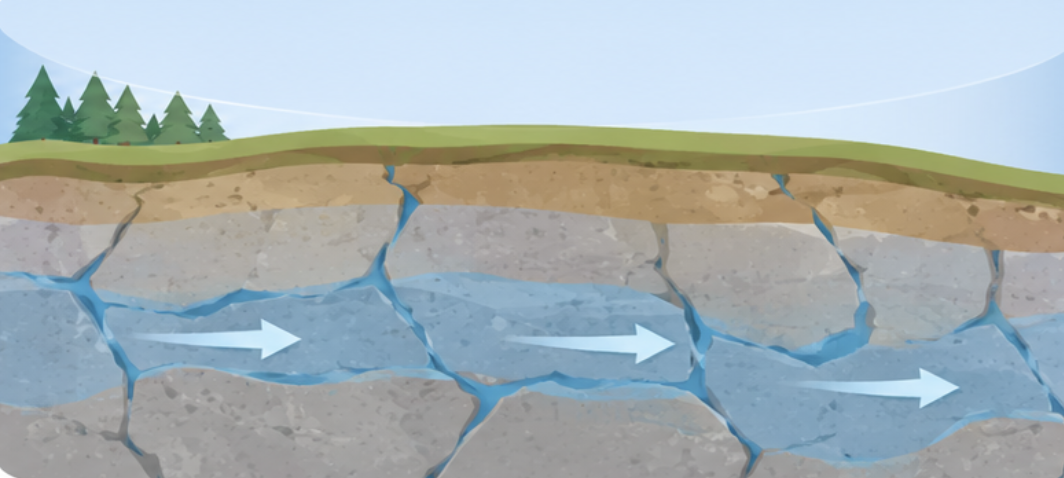
Groundwater Movement
Groundwater can move through natural cracks and fractures in the rock. If waste containers were to corrode and radioactive materials were released, groundwater could carry them away from the repository. This could potentially contaminate the surrounding environment.
Source: Image generated using OpenAI ChatGPT (2026).
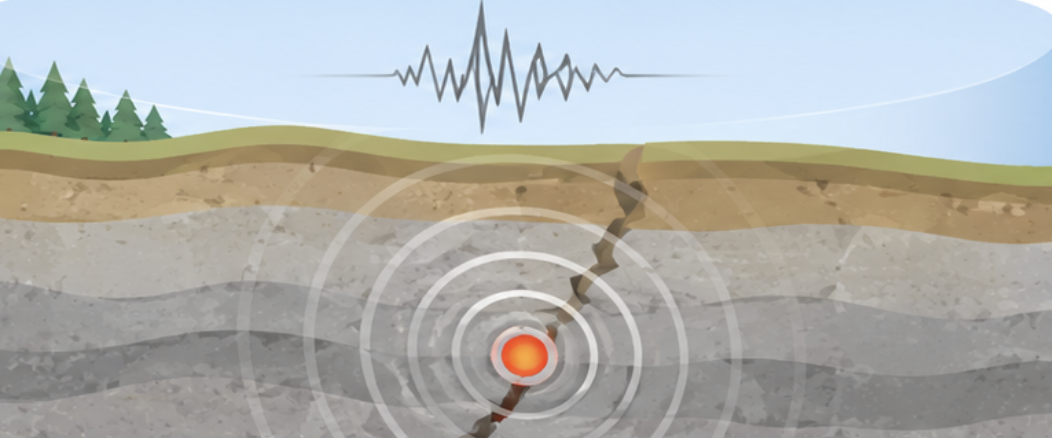
Seismic Activity
Earthquakes and tectonic movements near faults can create new cracks or widen existing fractures around the rock. This can weaken the rock and potentially affect the stability of the underground repository, posing risks to long-term storage safety.
Source: Image generated using OpenAI ChatGPT (2026).
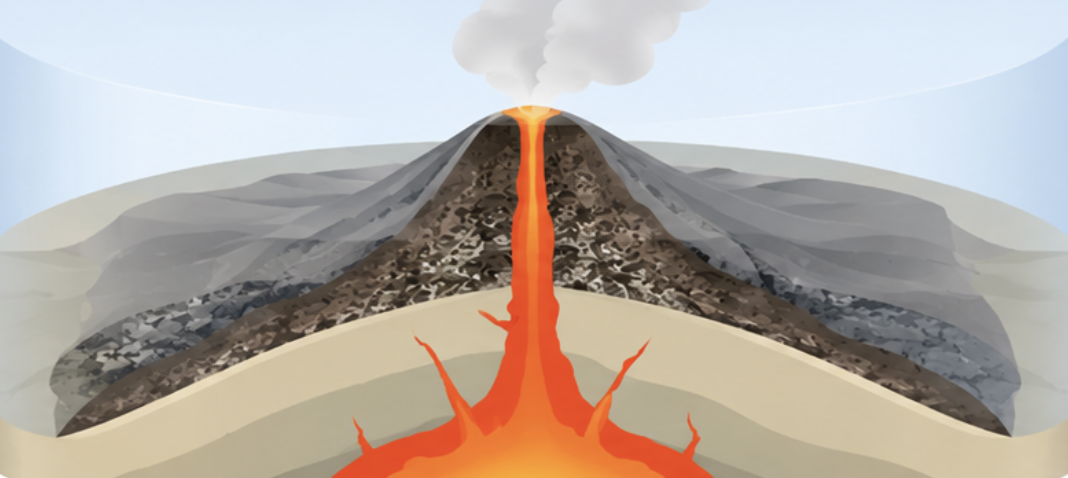
Volcanic Activity
Magma moving close to a repository could heat the surrounding rock. This could damage the protective barriers, change the rock and alter how groundwater flows. It could also change the chemical composition of the groundwater.
Source: Image generated using OpenAI ChatGPT (2026).
Monitoring, Assessment and Managing Risks
For projects like this, regular monitoring and research is important to make sure the site and facility remain safe during planning, construction and operation. Once the facility is closed, long-term safety depends mainly on the natural rock and the different barriers containing and protecting the waste.
Create Your Own Website With Webador