

How does the multi-barrier system work?
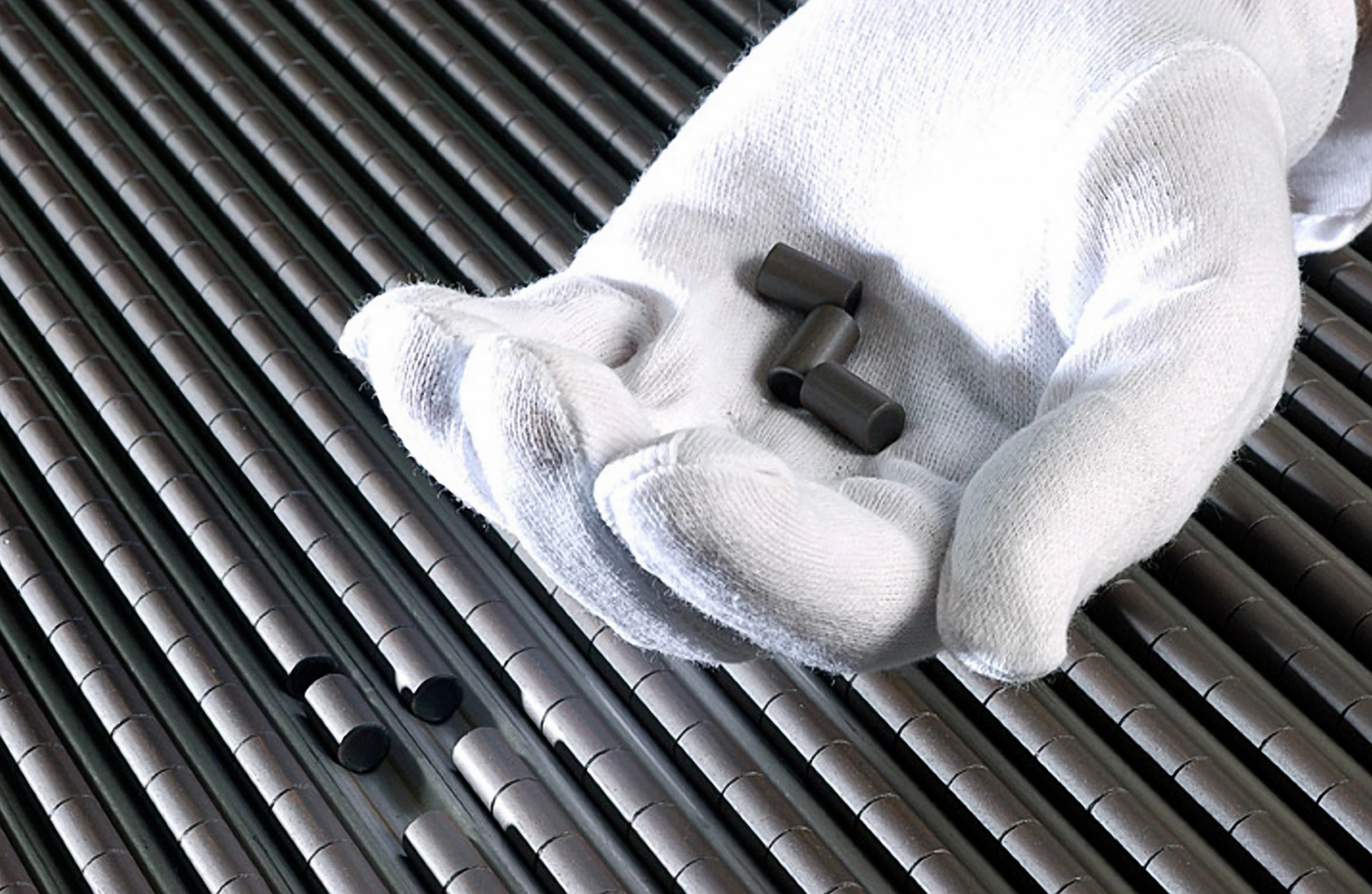
Waste Form
The waste form is the material that contains the radioactive waste before it is placed inside a disposal canister. There are different types of waste forms depending on the type of radioactive waste. For example, spent nuclear fuel consists mainly of uranium dioxide ceramic pellets held inside metal fuel rods. Another type is vitrified waste, where high-level radioactive waste is mixed with glass-forming materials to create a solid glass form. There is also ceramic waste, where radioactive materials are put into specially designed crystals.
Remember: The more stable and durable the waste form is, the lower the chance of radioactive materials being released.
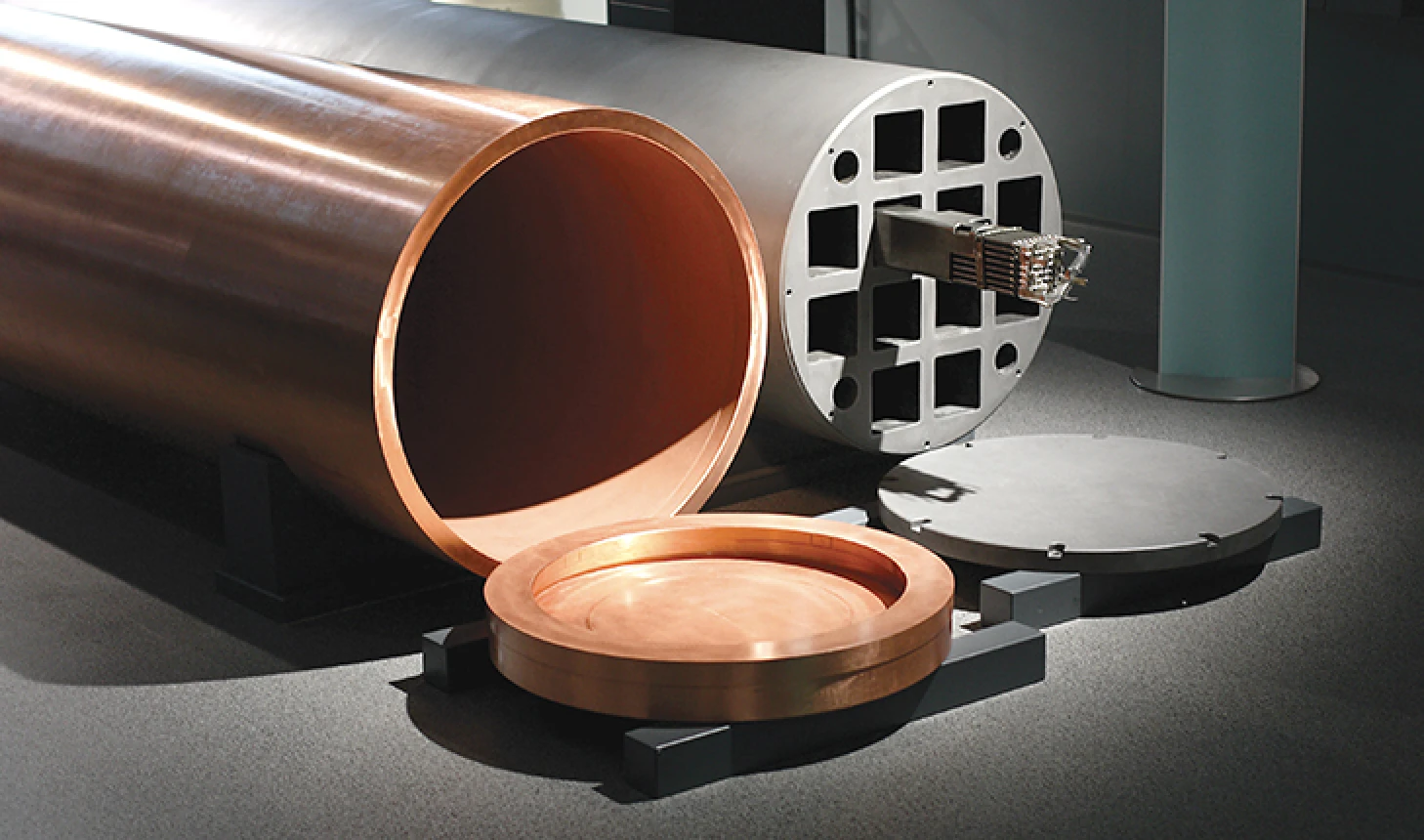
Disposal Canister
The disposal canister is made up of two main parts: a strong cast-iron which is surrounded by an outer copper shell. The spent nuclear fuel is placed inside that cast-iron, which adds strength and protects it from external pressure. The copper shell is an additional protective layer because it is highly resistant to underground corrosion. Together, they help keep the radioactive fuel contained and prevent it from escaping into the surrounding environment.
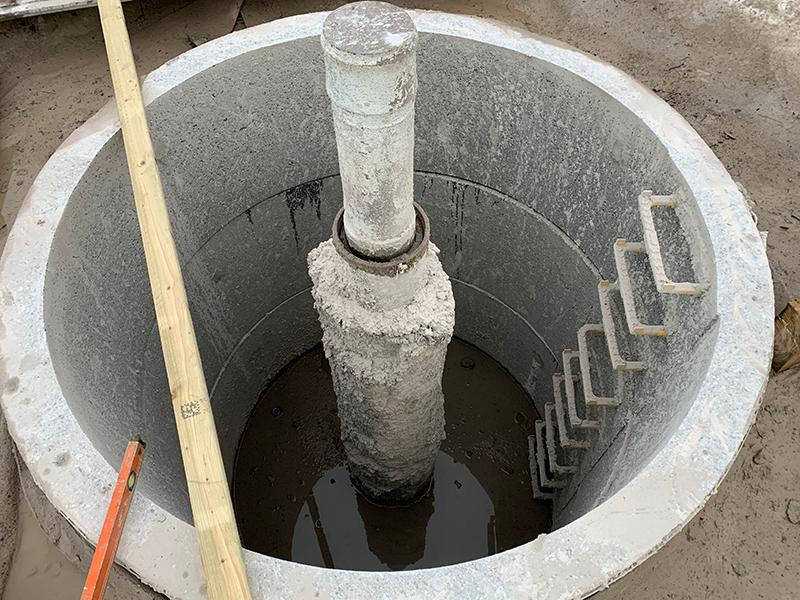
Bentonite Buffer
The canister is surrounded by a layer of compacted bentonite clay, which acts as an extra layer of protection. Once underground, the clay absorbs water and begins to swell, filling the gaps around the canister. This is important because it helps keep the canister in place and limits groundwater movement. "Potentially" also helps slow down the movement of radioactive materials "if" they were ever released from the canister.
Backfill and Tunnel Seals
Once the canisters are in place, the underground tunnels are filled with backfill materials and sealed off. This helps close any small open spaces around the disposal area.


Surrounding Host Rock
The host rock is the natural bedrock that surrounds the underground repository. Acting as an important barrier by which helps keep the radioactive waste isolated from the surface environment. When choosing the rock for a repository, it is important to find one that is stable, has little groundwater movement and few fractures. This helps keep the waste safely contained and makes the storage site more suitable for the long term.
Create Your Own Website With Webador